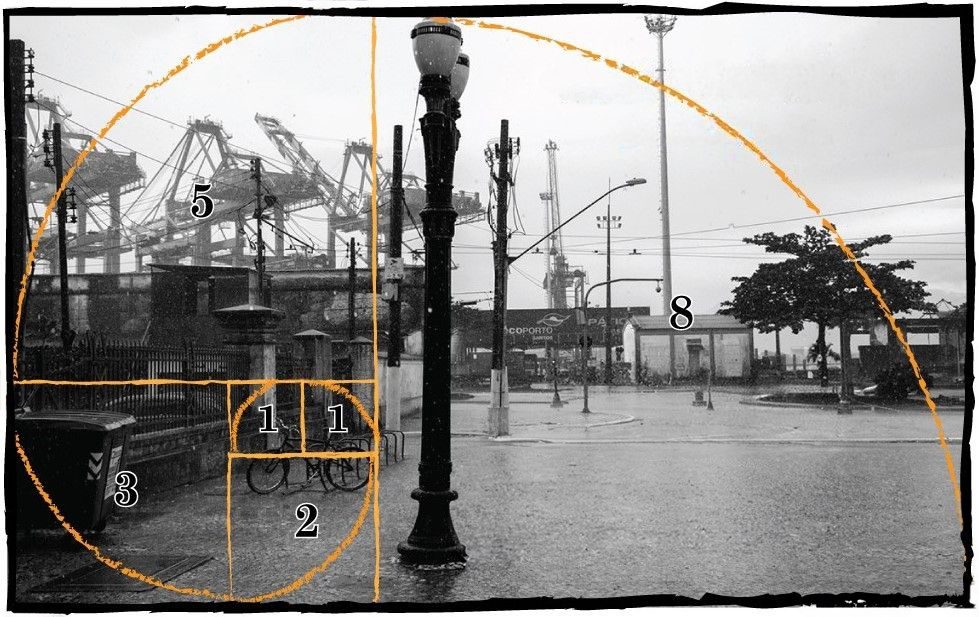
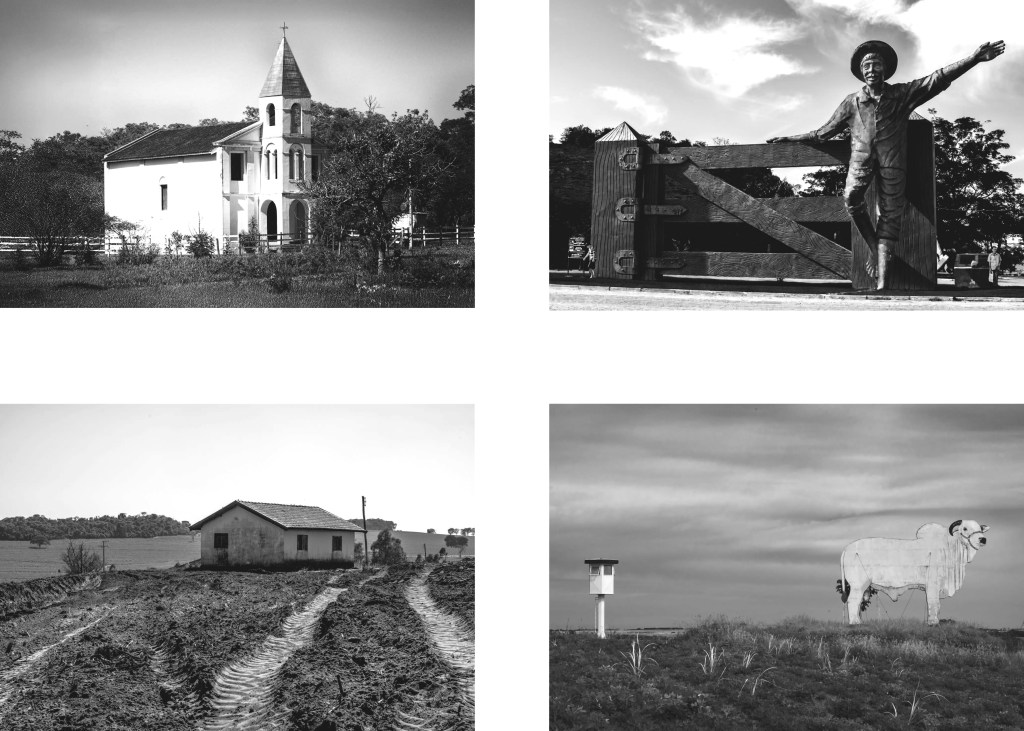
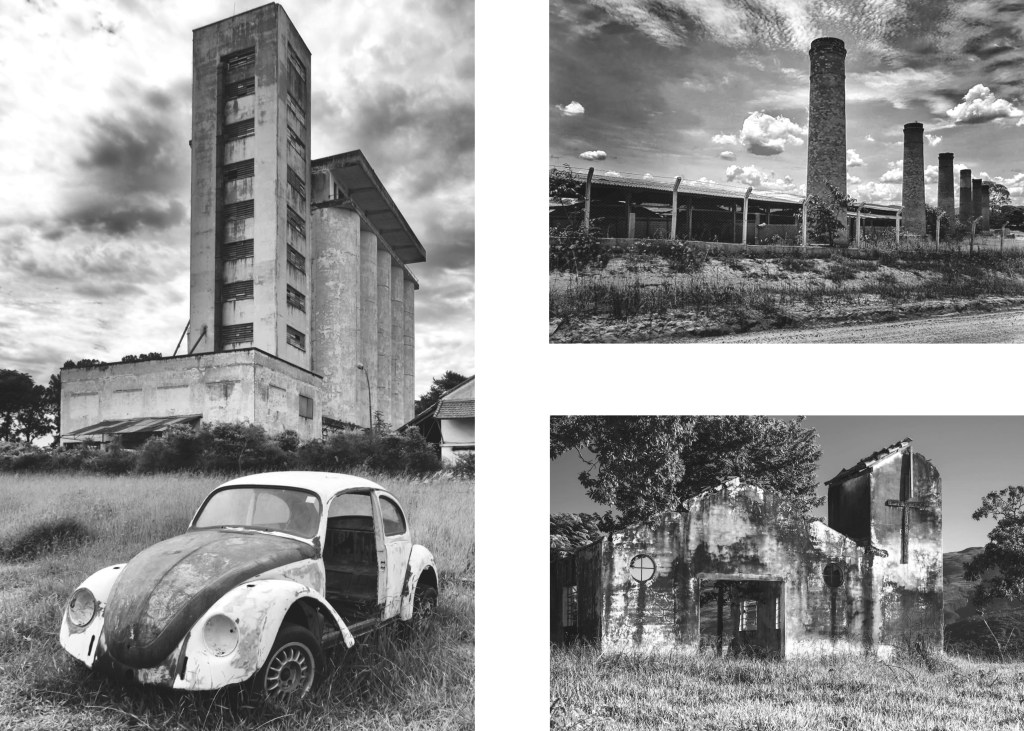
From my project: New Topographics: Vernacular Architectures and Urban/Rural Landscapes of the Interior of the State of São Paulo
(small Roman Catholic churches)
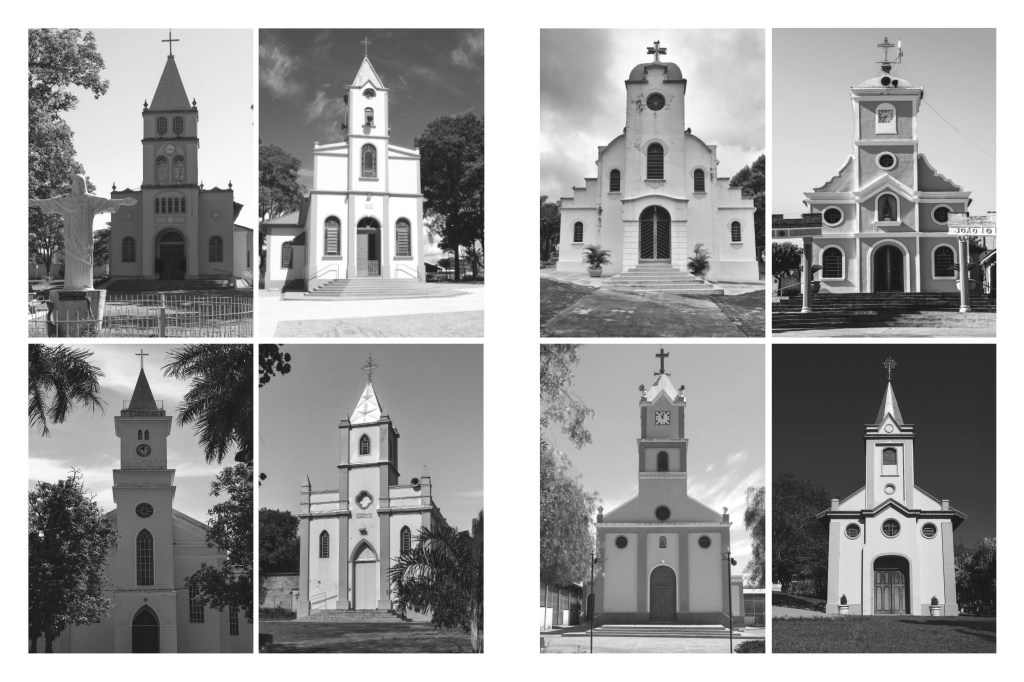
(small Roman Catholic churches)
from the project: [New Topographics: Vernacular Architectures and Urban/Rural Landscapes of the Interior of the State of São Paulo, Brasil]
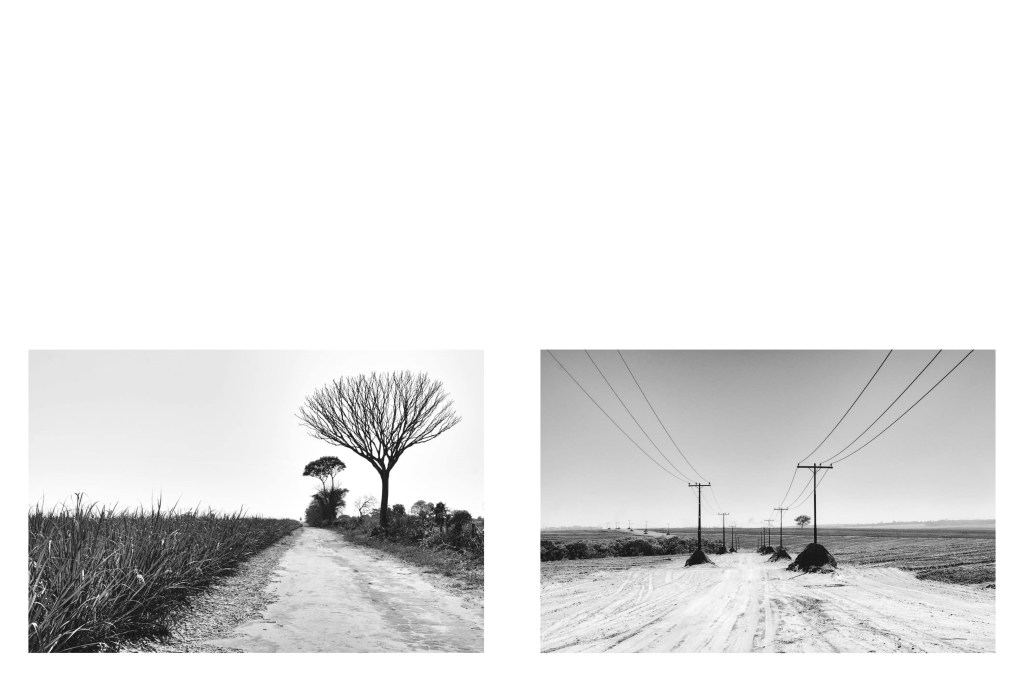
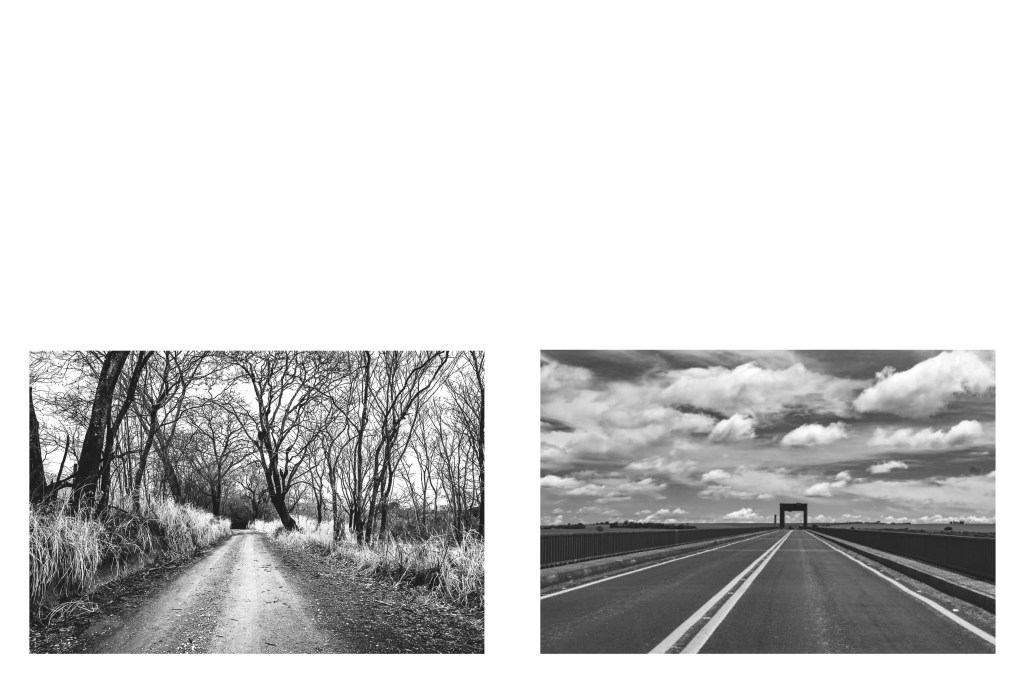
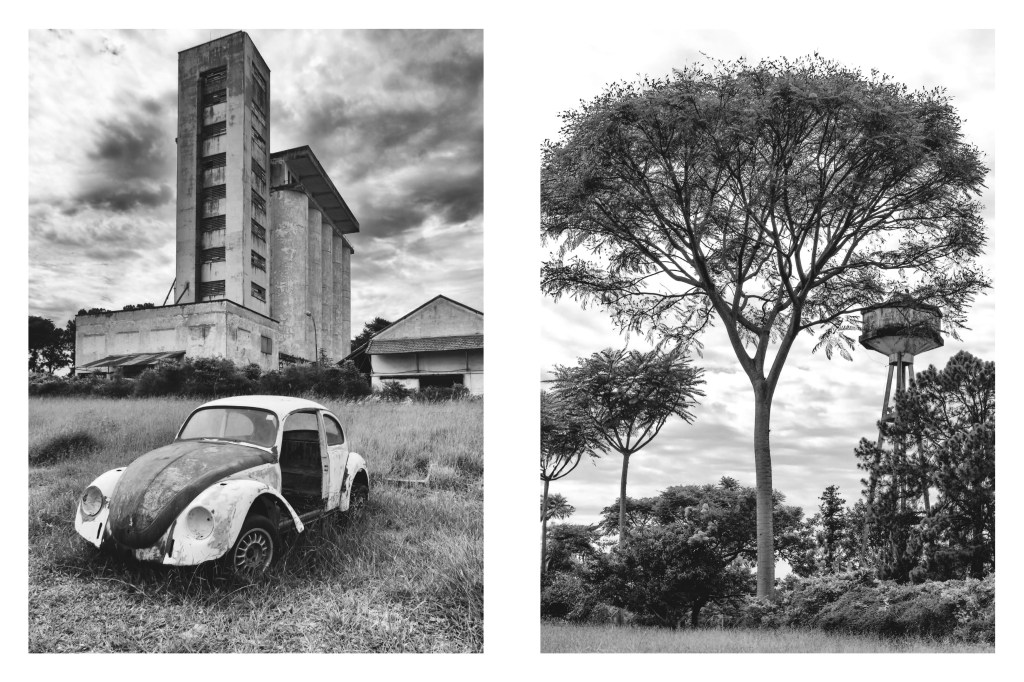
from the project: [New Topographics: Vernacular Architectures and Urban/Rural Landscapes of the Interior of the State of São Paulo]
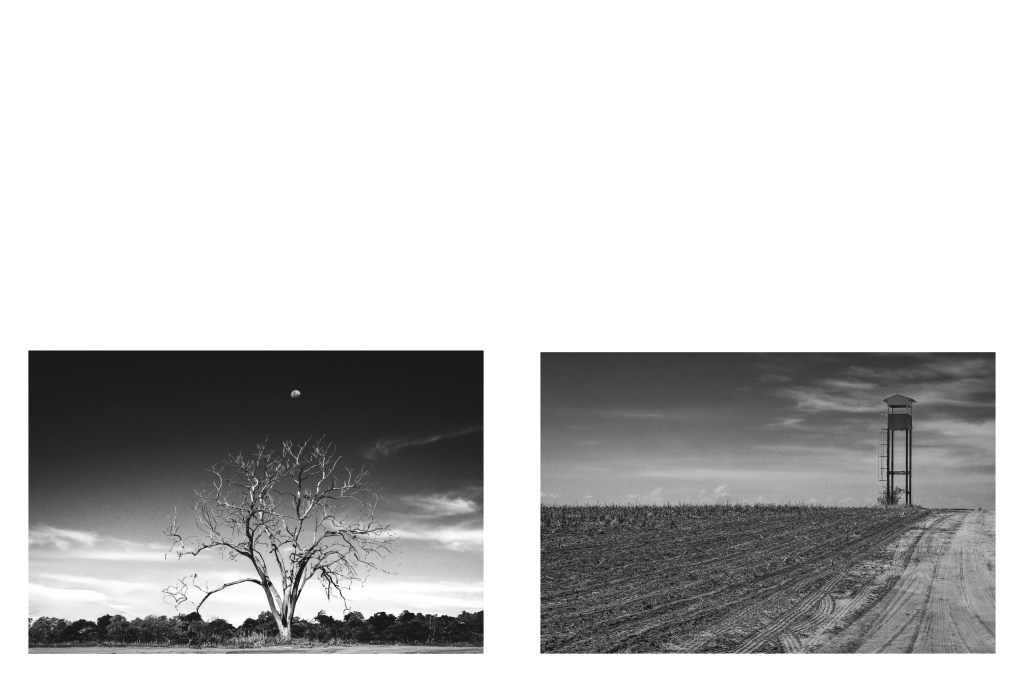
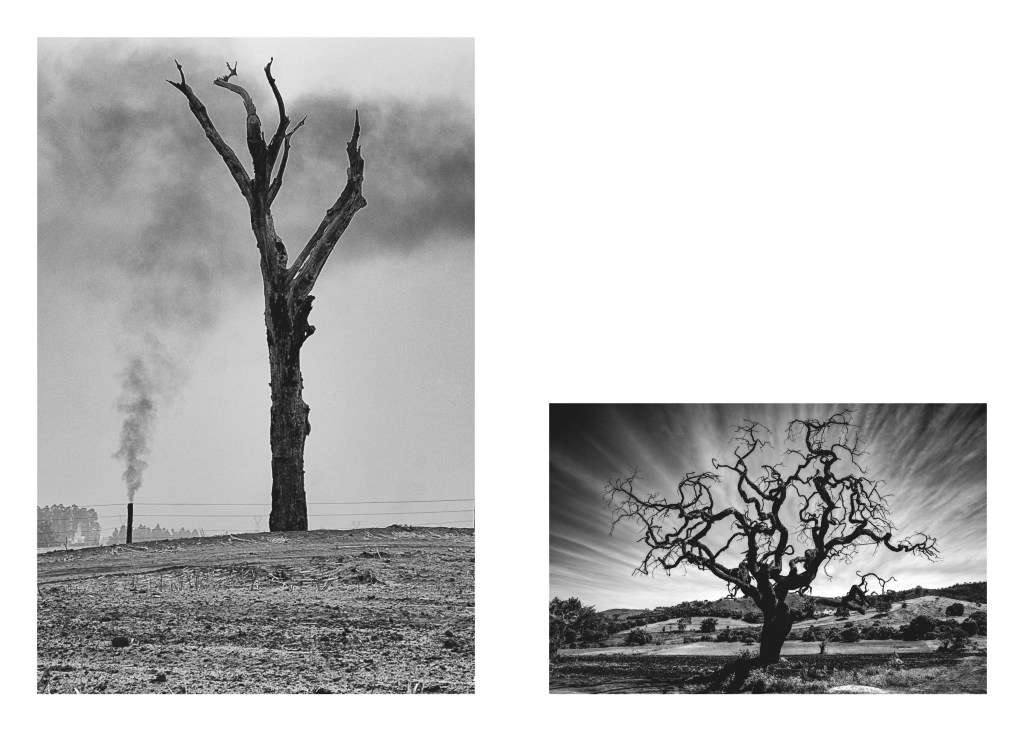
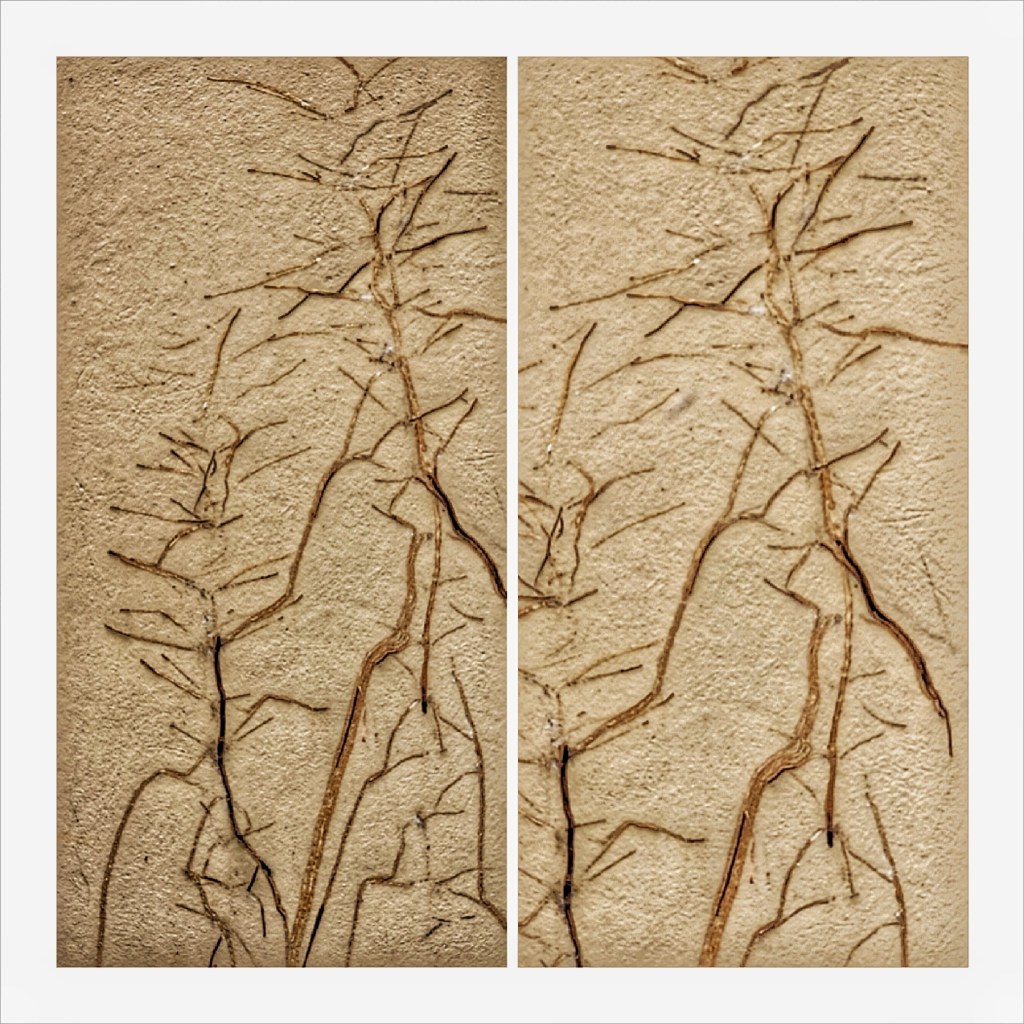
{trees} – paired pages from a future photography book
Section: “standing dead trees” (victim trees)
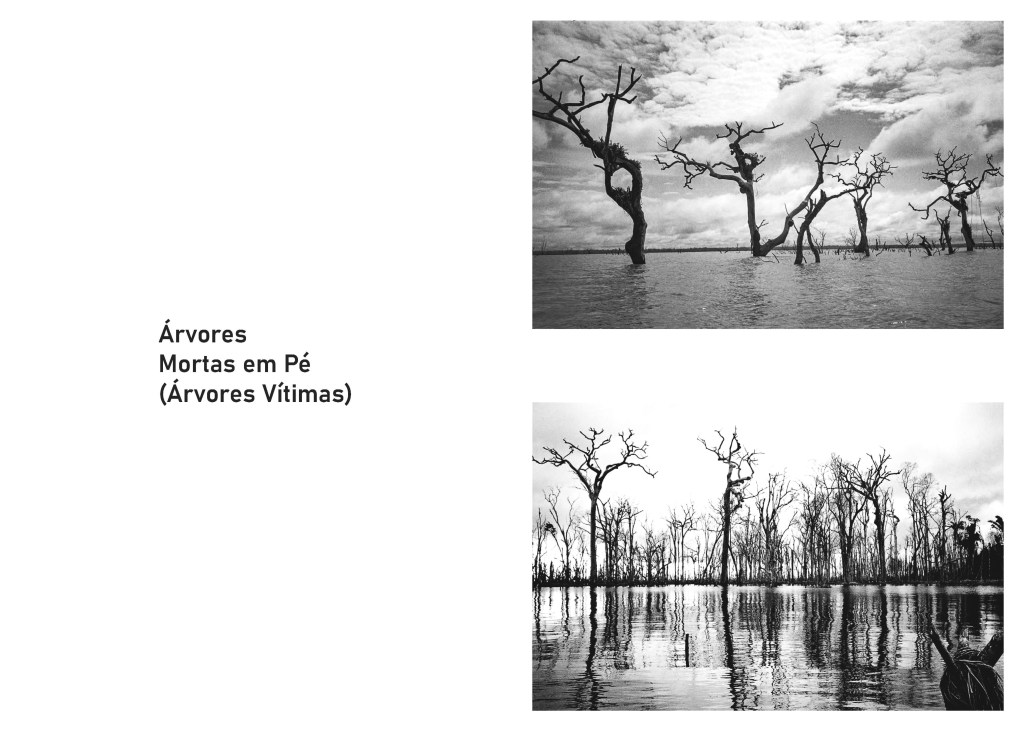
{trees}
Examples of pages from a future photography book in editing.

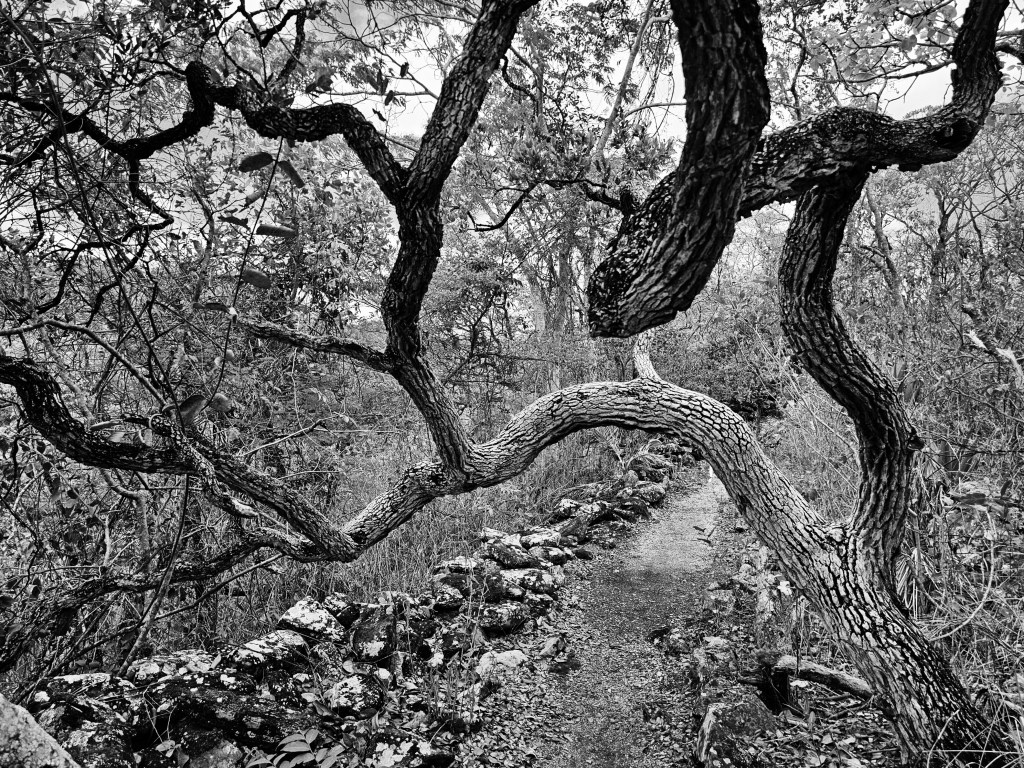
{trees}
Examples of paired pages from a future photography book in editing.




Descalvado, SP Brasil. 2020.
Nothing stands the test of time.
The walls and roof of a house that once served as shelter and home to a family who lived there have nothing left to protect.
All that remains is emptiness; loneliness; isolation; abandonment.
It is lost in space and time.
Seeing it, I wondered: who were its inhabitants? What became of them? Where are the people who gave it life today?
Where and at what ages are the children who this house likely saw born and raised? Many dreams were dreamed there. Many plans for the future were made there.
I don’t have answers to these questions, but that doesn’t stop me from speculating about all that may have happened in the past, within these four walls and under this roof.
Today, it represents only a shadow in the anthropized landscape of a sugarcane field, so typical of the interior of the state of São Paulo, where I was born, raised, and where I live. When I was a boy, I believe the word and meaning of agribusiness had not been created in this country—agribusinesses that could and should be far more sustainable than they are.
This house, today, embodies the practical meaning of the transitory nature of our lives, of our world(s), and of how things inevitably change over time. Today, it is an element of the landscape that is nothing more than a testament to the concept of resilience in its figurative and most painful sense: its ability to recover or adapt to misfortune or change.
It is today a testament to the passage of time, to the entropy of oxidation and deterioration of the materials it was once built upon. They insist on remaining standing. They stand there, motionless, before me.
The images of these houses captured through the lenses of my cameras show not only the very object that the houses still are, but also the time of life and the time lived, and the memories of the people who once lived in them. They show the sum of time.
(fotozine)
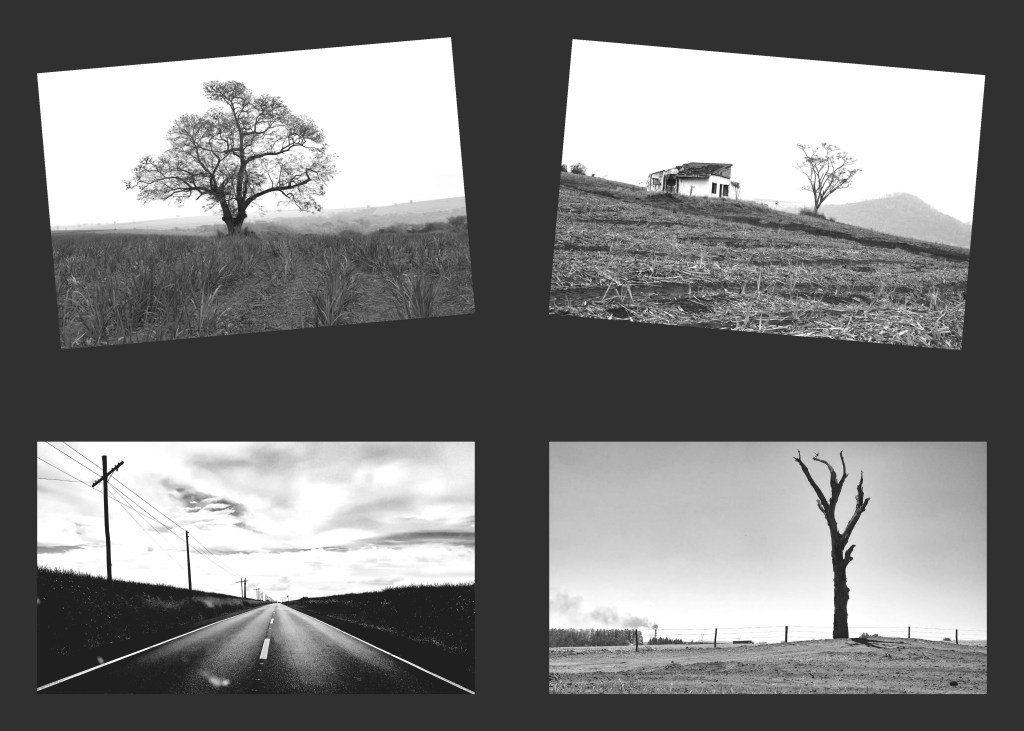
I have always had a special relationship with roads.
Not only with the roads themselves, but also with ‘the edges of the roads’.
Perhaps it is a typical story of the flâneur, of the observer.
Sometimes I feel that the edges of the roads reveal much more than the roads themselves, but I know that they belong to the roads; they are confused with the roads.
In this work I try to bring together the photographs from my collection, but it is a theme that I continually photograph.



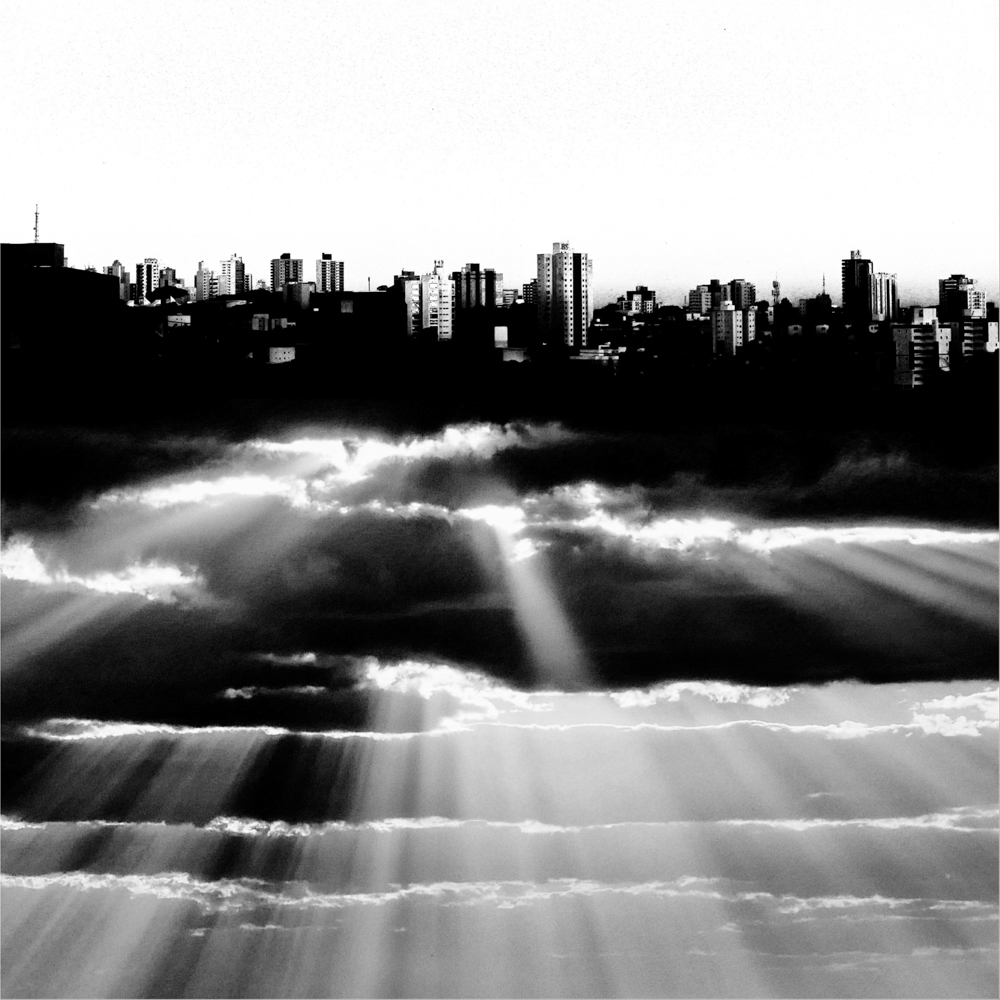
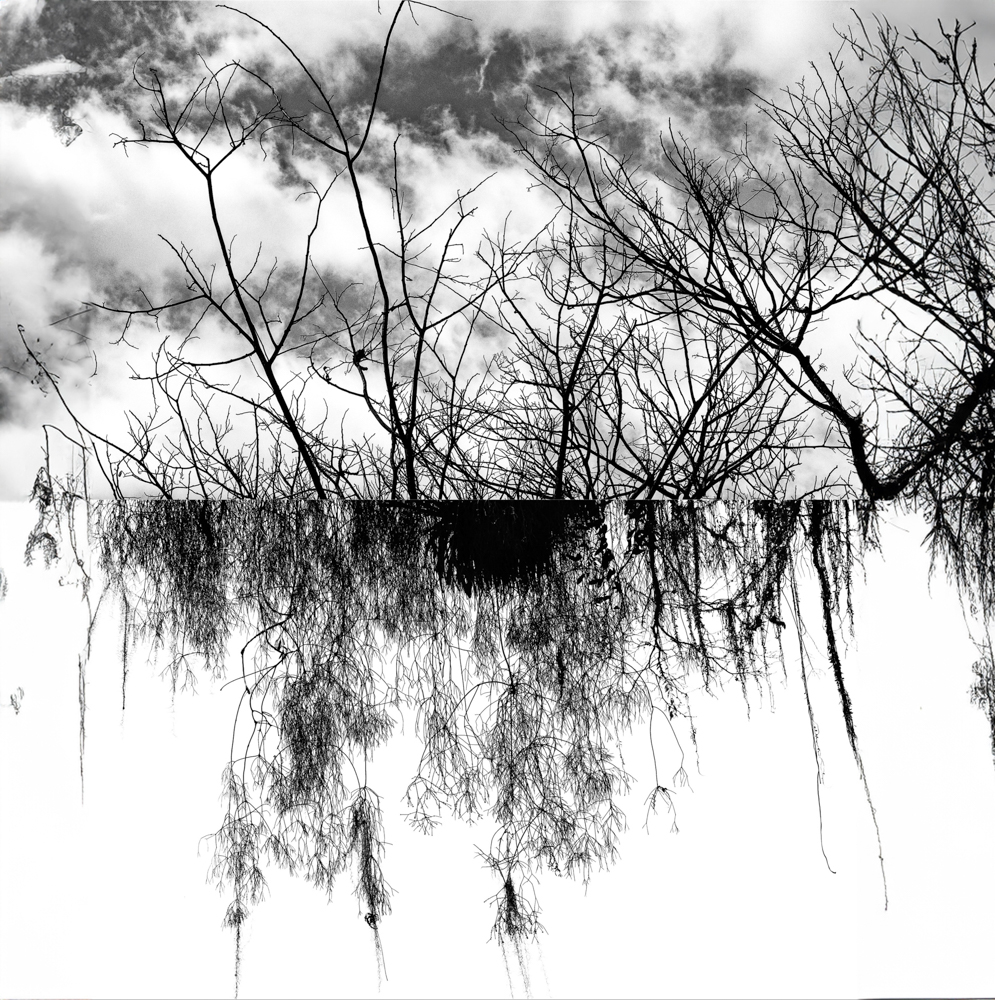
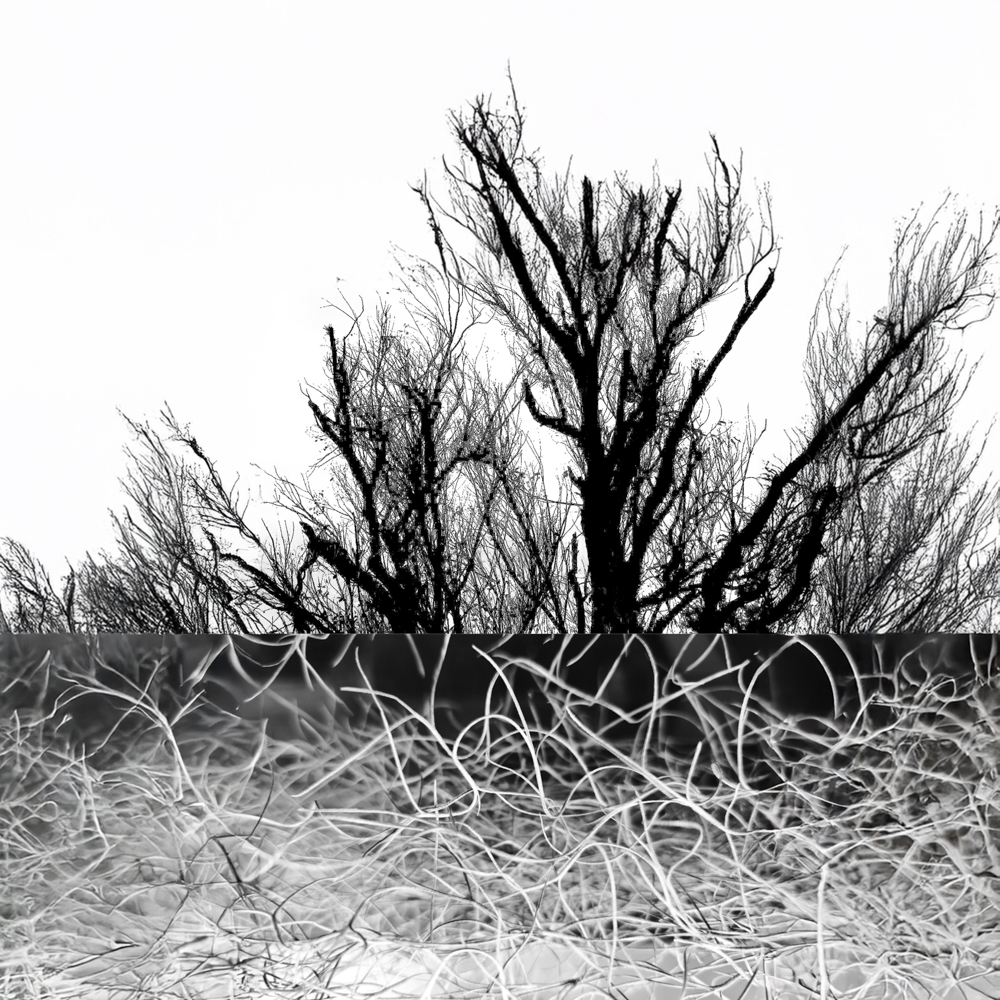
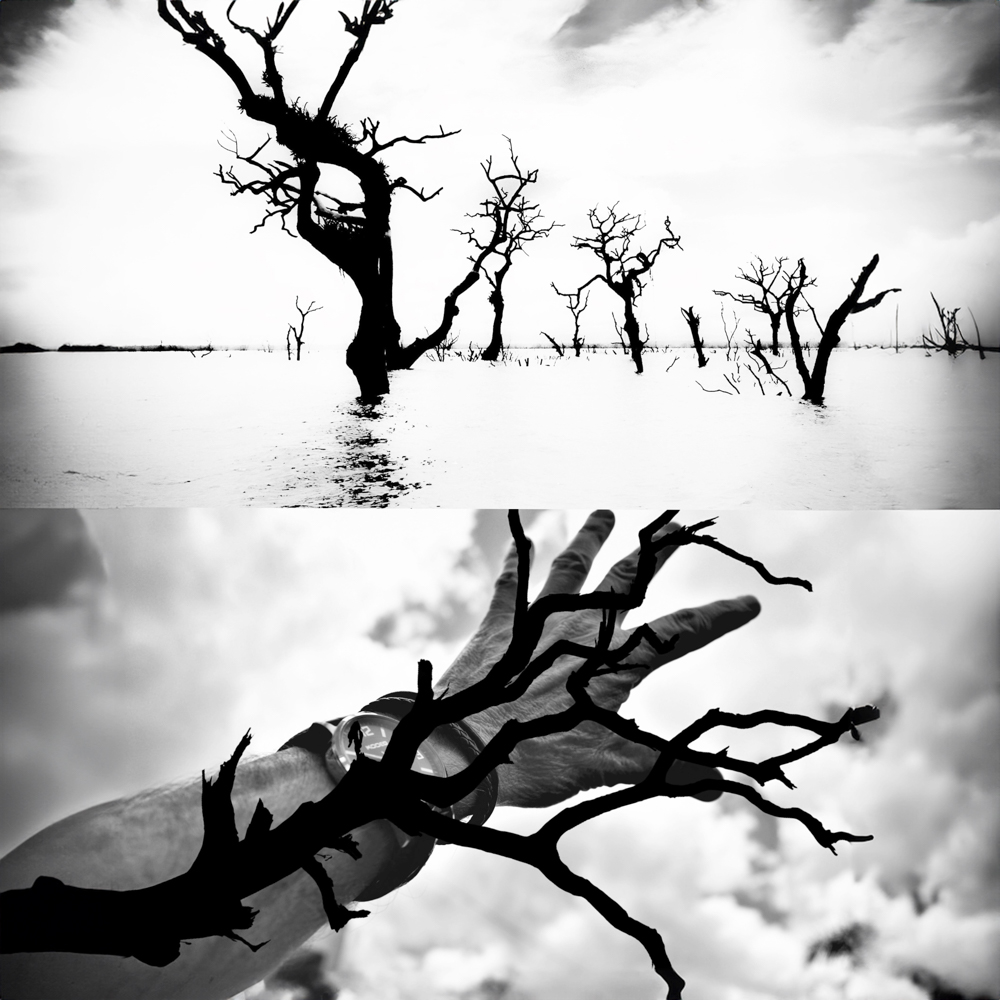
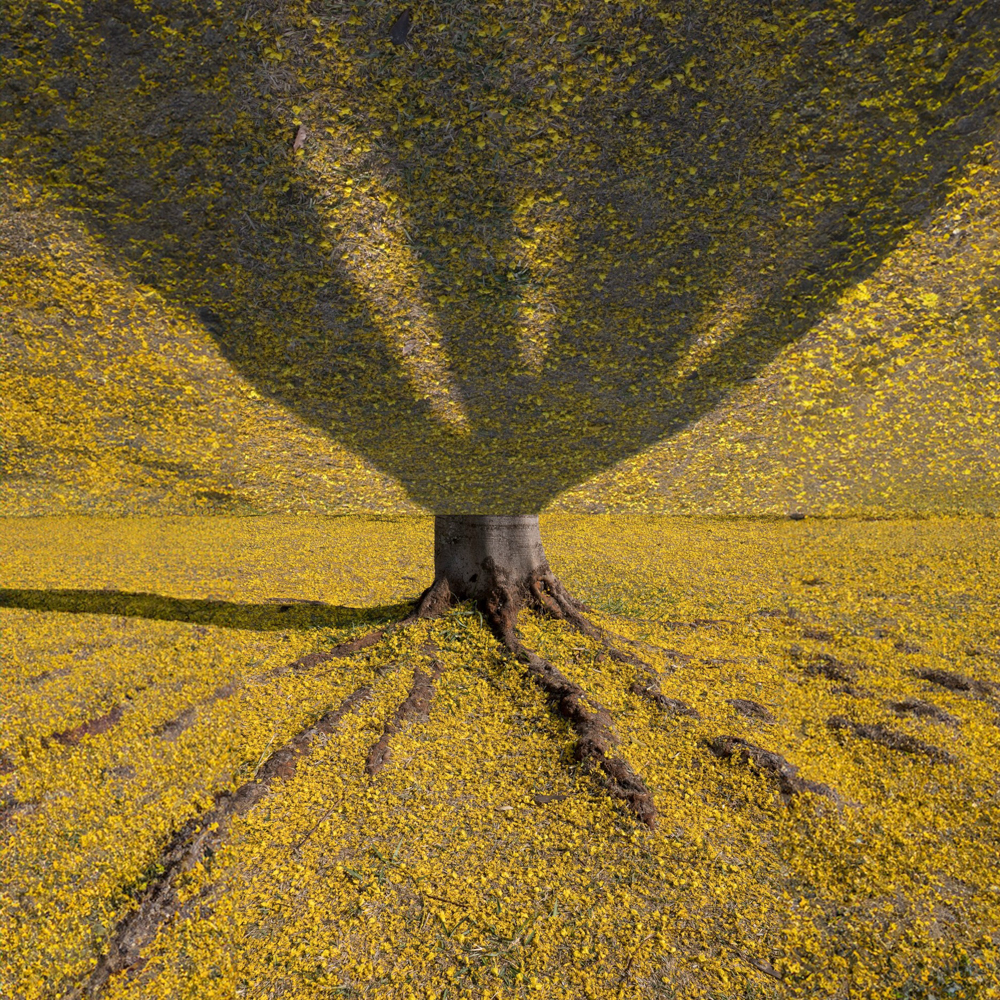
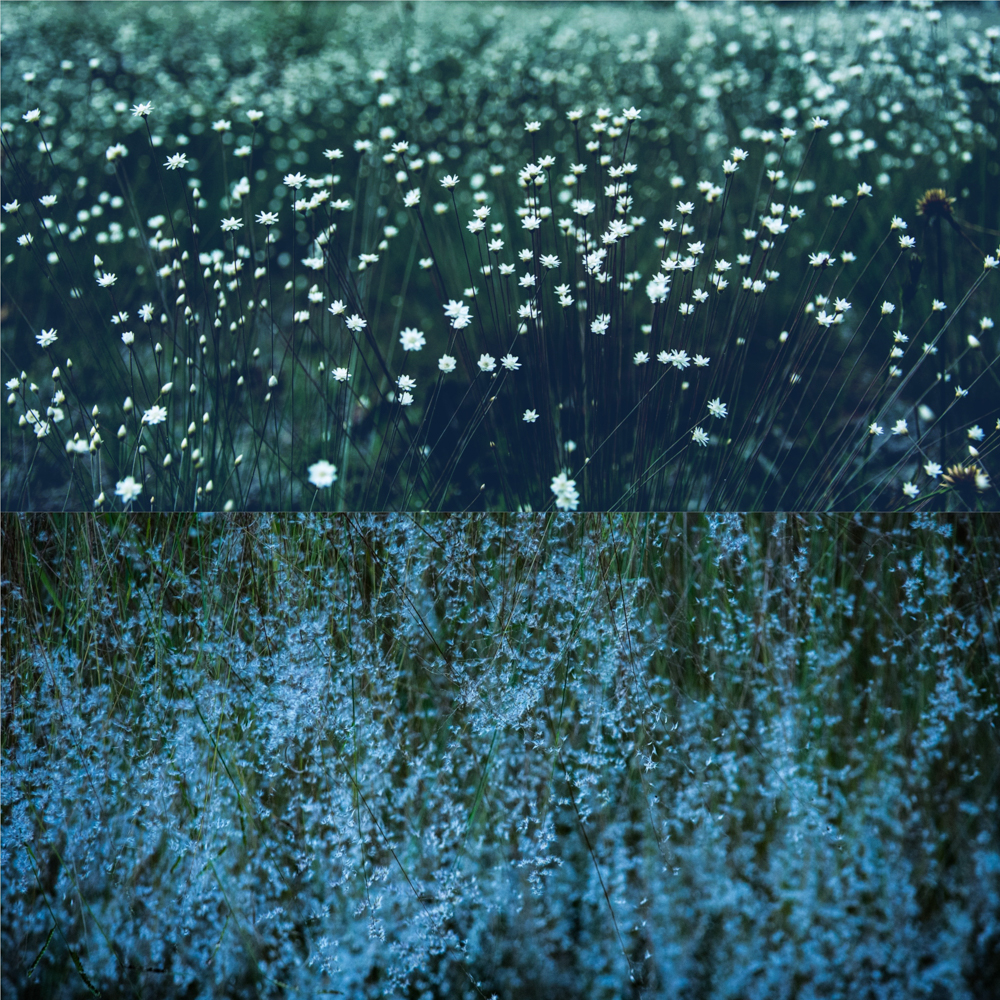
This project combines aesthetic, philosophical and ecological perspectives to reject humanity’s purely utilitarian relationship with nature, framing it as spiritual and existential. Through dynamic diptychs, it visualizes interconnected realities where environmental awareness and aesthetic contemplation converge, inviting a reimagined role in the world. Highlighting both the visible elements and the interaction between ecosystems, society and human subjectivity, it seeks to highlight our deep ties with nature and the impacts of our choices on ecological and social balance.
By rejecting the utilitarian view of nature and treating it as something spiritual and existential, our relationship with the natural world is redefined, inviting people to see nature not only as a resource, but as a partner and an essential element of the human experience. As Giuseppe Penone (Italian artist and sculptor) once said, “man is not a spectator or an actor, he is simply nature” (Giuseppe Penone).
Dynamic diptychs offer an opportunity for contemplation. Visual aesthetics are not just about beauty, but a form of meditation on the interconnectedness of life. They can provide a space for viewers to reflect on their own lives and practices in relation to the environment.
By representing the complexity of interactions between ecosystems, society and subjectivity, visualizing interconnected realities, the project aims to expose the web of life that unites us all. This approach can help to demystify the idea of separation between humans and nature (e.g., the basis of Giuseppe Penone’s work mentioned above)(*), promoting a more holistic understanding of our place in the world.
(*) as a good example to be given coming straight from the art world.
By interweaving environmental awareness with aesthetics, the project offers a new narrative that can resonate emotionally with audiences. This fusion can be a powerful motivator for action, encouraging people to reconsider their choices and their impact on the planet.
The emphasis on both visible and invisible elements and the interaction between them highlights how our perceptions shape our experiences. This may include exploring how personal and cultural narratives influence our relationship with nature, revealing that our subjectivity is deeply embedded in the natural world.
By highlighting the impacts of our choices on ecological and social balance, the project can serve as a call to action. This could include reflections on consumption, sustainability and collective responsibility, promoting greater awareness of how our decisions affect the world around us.
The conclusion is that this project not only seeks to create an understanding of the relationship between humanity and nature, but also invites people to become part of this narrative. By integrating aesthetics, philosophy and ecology, it becomes a platform for reimagining our role in the world, encouraging a deeper engagement with environmental issues. The proposal to highlight our deep ties to nature and the impacts of our choices manifests itself by engaging the audience in an experience that is both intellectual and emotional. In this way, the project can inspire a significant change in the way people perceive and interact with the natural world, promoting a more sustainable and harmonious future.
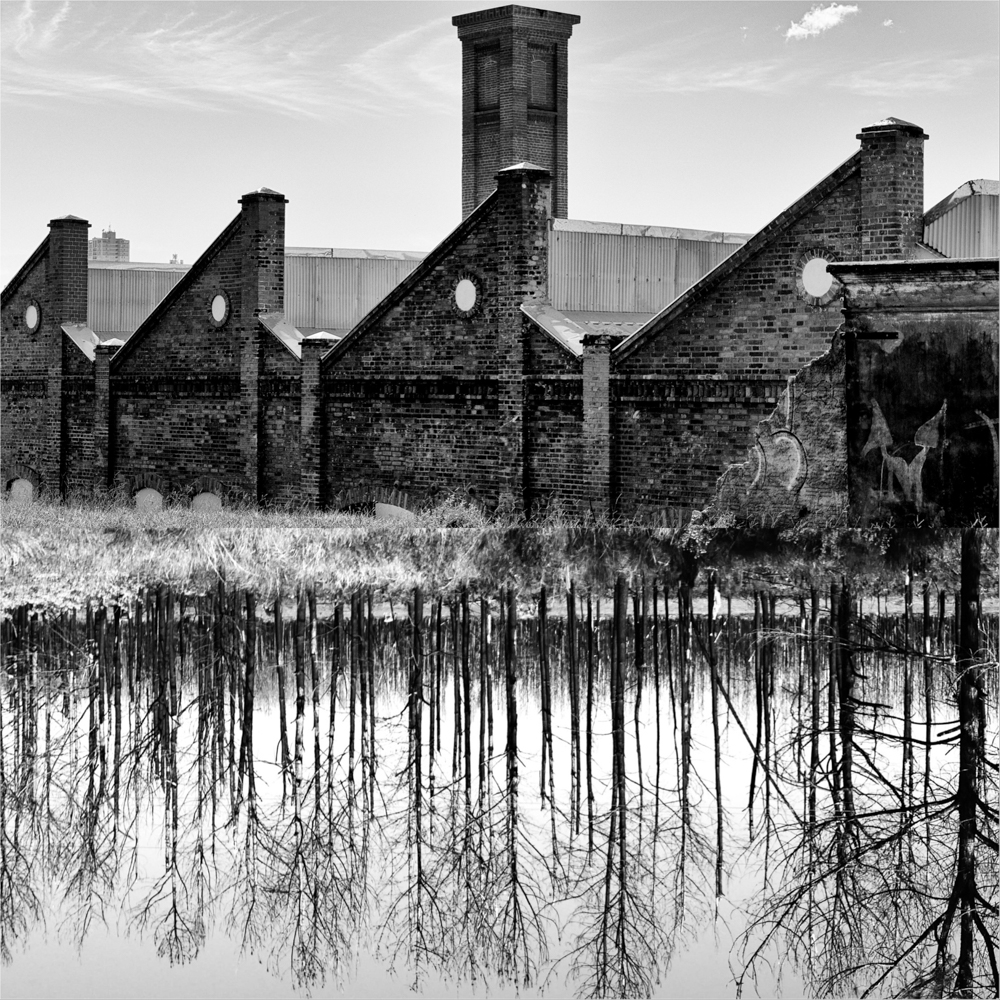
Parallel worlds: This project merges aesthetic, philosophical, and ecological perspectives to reject humanity’s purely utilitarian relationship with nature, framing it as spiritual and existential. Through dynamic diptychs, it visualizes interconnected realities where environmental awareness and aesthetic contemplation converge, inviting a reimagined role in the world. Highlighting both visible elements and the interplay between ecosystems, society, and human subjectivity, it underscores our deep ties to nature and the impacts of our choices on ecological and social balance.

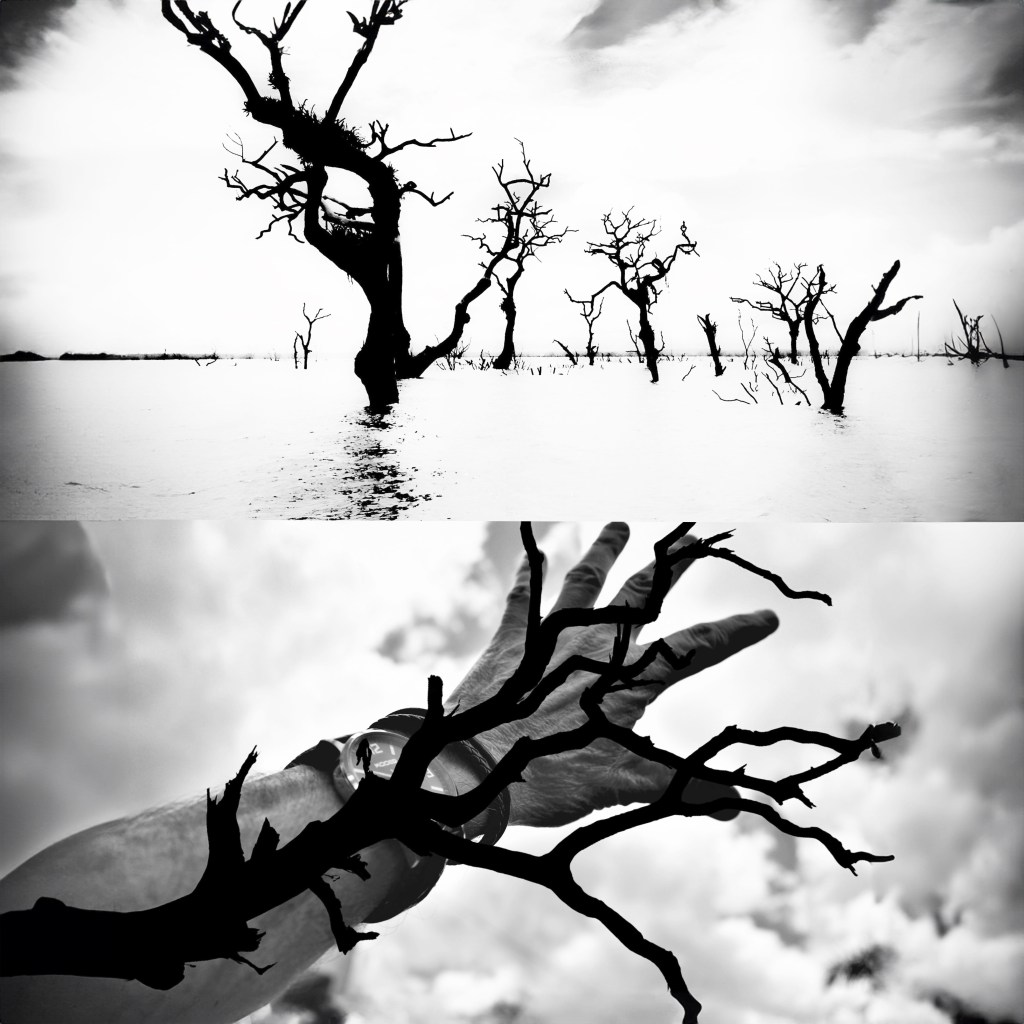
[um grito por ajuda]
(a cry for help)
———
do projeto: mundos paralelos
(of the project: parallel worlds)
 Antonio Mozeto